

The Mining Sector has a pivotal role to play in the “Make in India” Vision of the Prime Minister. With the rapid growth of the Indian Economy anticipated in the years to come, there is a renewed thrust in infrastructure and manufacturing sectors, which would require ensured and timely supply of minerals as basic raw materials. The reforms undertaken would ensure that the matching growth of the mining sector is sustainably achieved for giving impetus to the “Make in India” Program.
Tag: Karunakaran IAS
Article About Beach Mineral Policy published in TOI
For Policy Coherence on Beach Sand Mining
It is most unfortunate that myopic policy and dated rules keep the beach sand minerals (BSM) sector hugely constrained and functioning well below potential despite their high and rising strategic and commercial importance. BSM are a group of deposits, namely ilmenite, rutile, zircon, monazite, leucoxene, garnet and sillimanite, found across beaches in peninsular India. But they all continue to be misclassified as “atomic minerals“ in the law, with the result that routine approvals take 7-8 years, with the green signal required from as many as 28 departments both at the Centre and states.Some 65-70% of BSM constitute ilmenite, which yields strong-metal titanium used to make paint and tough metal alloys.
India has about 30% of global reserves of BSM, but the production-to-reserve ratio here has been the lowest in the world at 0.002; the sector was opened up to private sector participation as late as 1998. What is worse, in a back to the future move, the Atomic Minerals Concession Rules, 2016, propose to abruptly restrict BSM mining only for the public sector if the deposits have equal or more than 0.75% monazite. This is draconian and worse.
Thankfully , since 2007, ilmenite, rutile, zircon and leucoxene are no longer officially classified as atomic minerals. Yet, the Mines and Minerals (Development and Regulation) Amendment Act, 2015, has not incorporated the change. This needs to be done pronto. We clearly need proactive regulation and oversight of BSM. There is no reason why , say, the output of ilmenite here remain in the low single digits of global production. A business-like policy framework can result in billions of dollars in output and value-added and give rise to huge employment. Besides, BSM do not require conventional mining, blasting or trenches, etc, as the sand is duly restored.

Mines Ministry to discuss threshold value on heavy minerals
“Mines Ministry will take up the issue of TLV on beach sand minerals (BSM) with the industry over the demand that it has made on the provisions of the draft Atomic Mineral Concession Rules 2016 at the national mines and minerals conclave in Raipur tomorrow,” a senior government official said.
Mines Ministry will today take up the issue of threshold limit value (TLV) on beach sand minerals or heavy minerals, which the mining industry says can adversely impact the companies if implemented. “Mines Ministry will take up the issue of TLV on beach sand minerals (BSM) with the industry over the demand that it has made on the provisions of the draft Atomic Mineral Concession Rules 2016 at the national mines and minerals conclave in Raipur tomorrow,” a senior government official said.
The draft rules proposes to reserve all BSM deposits containing more than 0.75 percent monazite in the THM (Total Heavy Minerals) for government-owned corporations. Even for already operating mines, if it is found that the monazite content is above the fixed TLV, the lease will be terminated.
An official with a private miner said: “This provision will reserve almost more than 75 percent of the explored reserves to government sector, which will have a huge adverse impact on the BSM industry and the BSM mining situation will go back by twenty years, reverting the production to reserve ratio to 0.001 percent prevalent in the 1990s.”
The industry is demanding that the TLV may be fixed as 5 percent in THM or 2 percent in the deposit and the termination clause be totally removed. If required, suitable safeguards may be implemented by Department of Atomic Energy (DAE), like having a conservation policy for monazite.
Beach sand mining generally includes ilmenite, rutile, zircon, garnet, monazite, leucoxene and sillimanite.
Most of these minerals occur together but their individual contents varying from deposit to deposit, with the major mineral in most deposits being ilmenite.
The government has earlier said that five states — Andhra Pradesh, Odisha, Maharashtra, Kerala and Tamil Nadu — have heavy minerals worth Rs 65,000 crore which are available on the coastline and can be extracted provided the industry complies with the norms including those relating to the Coastal Regulatory Zones (CRZ).
BSM industry is also demanding a separate policy for monazite production and processing to utilise the rare earths available in monazite, so that India can be a major player in the field of rare earths, the company official said.
Monazite, a mineral of Thorium and Rare Earth Element (REE), is the only commercial source of Rare Earths in the country at present. Private sector is not allowed to mine monazite.
Presently, Atomic Minerals Directorate for Exploration and Research (AMDER), part of the DAE, carries out exploration, establishment and development of atomic minerals in the country, including Monazite.
Indian Rare Earths, a PSU controlled by DAE, processes Monazite at its Rare Earths Division in Kerala. IREL has been processing Monazite to produce Rare Earths compounds, but in 2004 this was stopped due to lack of market, as materials became available at a much lower cost.

விக்டர் ராஜமாணிக்கம் மற்றும் அவரது சகோதரர் சமாதானம் ஆகியோர் சேர்ந்து அரசு பணத்தை கையாடல் செய்தது பற்றி பிரதமருக்கு புகார் அனுப்பப் பட்டது. அந்த புகாருக்கு இரண்டு வருடம் கழித்து நடவடிக்கை எடுத்திருப்பதாக துறை அதிகாரிகள் பதில் அனுப்பி உள்ளார். புகார் மற்றும்; கிடைக்கப் பெற்ற பதில் உங்கள் பார்வைக்கு..
டிரான்ஸ்வேர்ல்ட் கார்னட் இந்தியா பிரைவேட் லிட் கம்பெனிக்கு இந்திய அரசின் “சிறந்த ஏற்றுமதியாளர் விருது “
ஜனவரி 28ம் தேதி நடைபெற்ற கேபக்சில் (இந்திய வணிக மற்றும் தொழிற்துறை) சார்பில் புதுடில்லி, விக்யான்பவனில் நடைபெற்ற விழாவில் டிரான்ஸ்வேர்ல்ட் கார்னட் இந்தியா பி லிட் கம்பெனிக்கு மத்திய அமைச்சர் திரு.கல்ராஜ் மிஸ்ரா அவர்கள் சிறந்த ஏற்றுமதியாளருக்கான விருதினை வி.வி.குரூப் சீனியர் மேனேஜர் திரு.சக்திகணபதி அவர்களிடம் வழங்கினார்.
டிரான்ஸ்வேர்ல்ட் கம்பெனி கார்னட் கனிமங்கள் ஏற்றுமதியில் இந்தியாவின் சிறந்த நிறுவனமாக செயல்பட்டு வருகிறது. இந்நிறுவனம் சிறந்த உற்பத்தி முறை , சிறந்த சுற்றுப்புறச்சூழல் பராமரிப்பு, தொழிலாளர் பாதுகாப்பு முறைக்காக ஜெர்மனியை சேர்ந்த TUV நிறுவனத்திடமிருந்து ISO 9001, ISO 14001 & OHSAS 18001 சான்றிதழ்களை பெற்றுள்ளது.
இக்கம்பெனி ஆந்திரா மற்றும் தமிழ்நாட்டில் தொழிற்சாலைகளை நிறுவி, சிறந்த உற்பத்தி முறை மற்றும் வேலை வாய்ப்பு வழங்குவதற்காக தகுதி வாய்ந்த பொறியாளர்கள், புவியியலாளர்கள் உட்பட தேவையான பணியாளர்களை நியமித்து ஏராளமான நபர்களுக்கு நேரடி மற்றும் மறைமுக வேலைவாய்ப்பு வழங்கி வருகிறது. தொழிலாளர்களின் நலனை கருத்தில் கொண்டு இலவச இருப்பிடம், வாகன வசதி, கேண்டீன் வசதி மற்றும் இதர சட்டப்பூர்வ வசதிகளை செய்து தொழிலாளர்கள் நலனை மேம்படுத்திவருகிறது.
இக்கம்பெனி வருடம்தோறும் ஆயிரக்கணக்கான ஏழை மாணவர்கள் கல்வி பயில ஊக்குவிக்கும் பொருட்டு இலவச நோட்டு புத்தகங்களை தமிழ்நாடு மற்றும் ஆந்திராவில் அதன் தொழிற்சாலைக்கு அருகில் உள்ள கிராமபுற மாணவர்களுக்கு வழங்கி வருகிறது .இதன் மூலம் கல்வி வளர்ச்சிக்கு பெரிதும் உறுதுணையாக இருந்து வருகிறது.மேலும் இந்நிறுவனம் தொடர்ந்து பல வருடங்களாக இந்த சிறந்த ஏற்றுமதியாளர் விருதினை பெற்று வருகிறது என்பது குறிப்பிடத்தக்கது.
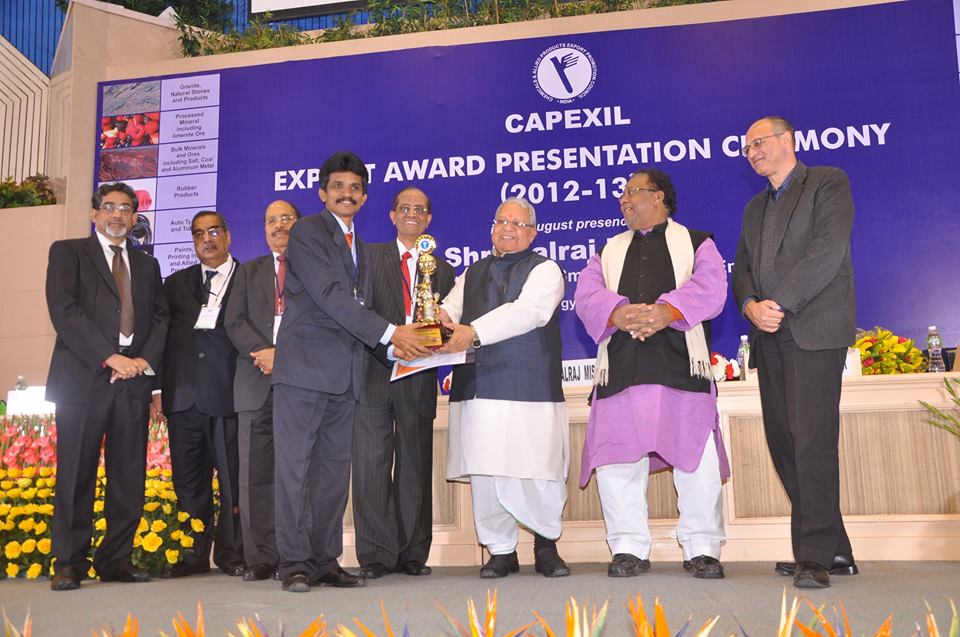

VV Mineral Becomes Top Exporter for the Seventh Time – Video
V.V.Mineral represented by V.Subramanian, Director, receiving the prestigious “Top Export Award” from Honourable Minister of Micro, Small and Medium Enterprises Shri Kalraj Mishra.
VVM receives this award for the past 22 consecutive years and is the only producer to receive this prestigious Capexil award in the “Bulk Minerals sector” among all Heavy mineral mining companies.
Illegal Monazite Export not possible – AERB Officials rules out

Link : http://epaper.deccanchronicle.com/articledetailpage.aspx?id=2516314
Publication : Deccan Chronicle
Edition : Madurai
Date : 07.04.2015